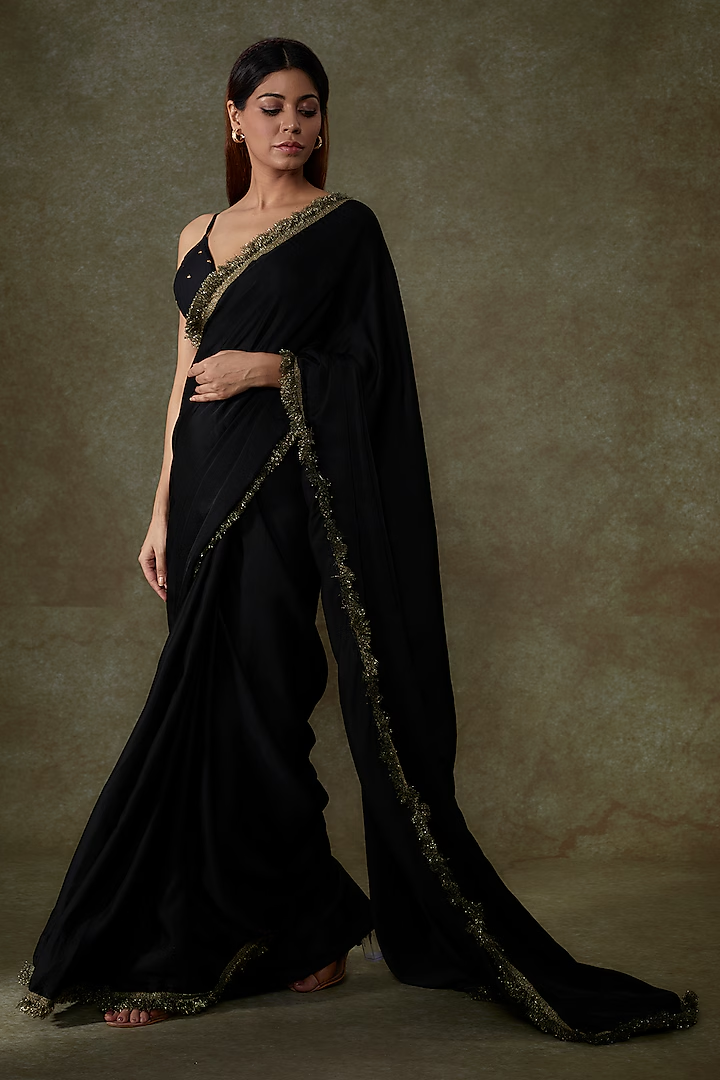
Traditional outfits tend to come back into trend for a mix of cultural, social, and fashion-cycle reasons—it’s not random at all.
A lot of people are tired of fast fashion looking the same, so clothing tied to heritage, craft, and story feels more personal. Recent coverage points to the same pattern: fashion in 2026 is leaning hard into nostalgia, archival pieces, and cultural references because people want clothes that feel emotionally resonant rather than disposable.
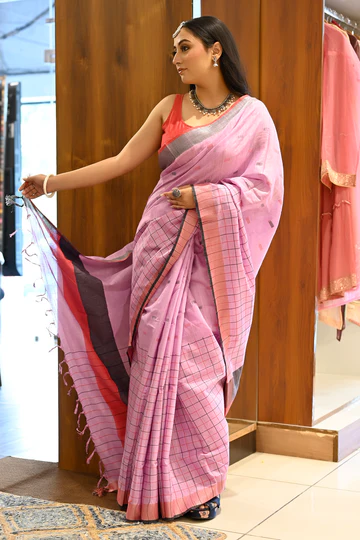
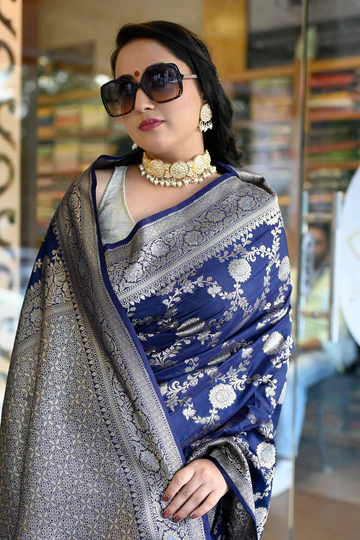
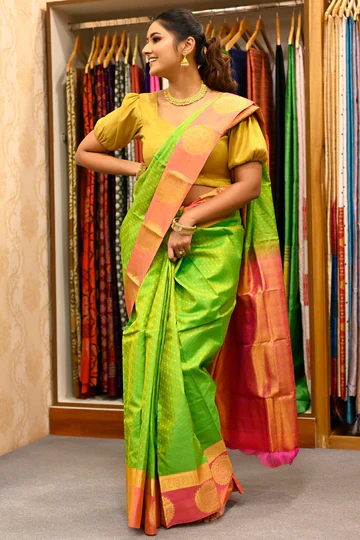
These days, people, especially the younger crowd, are really into connecting with their cultural roots. They’re proud of where they come from and want to show it off. Wearing traditional clothes like sarees, kurtas, or lehengas is no longer just about looking good – it’s a way to express their heritage and feel confident about it. It’s like they’re saying, “Hey, this is who I am and I’m proud of it!” By wearing these outfits, they’re able to showcase their cultural identity in a visible way, and that’s really powerful.
Social media has amplified this a lot. Platforms like:-
• TikTok
• Snapchat
have made traditional wear look fresh and aspirational. Influencers style ethnic pieces in modern ways—pairing sneakers with kurtas or styling dupattas differently—which makes them feel relevant rather than old-fashioned.
Indian fashion is now a global business trend. Designers are shipping outfits to shoppers in New York, Dubai, London. Customers want clothes that carry meaning and story. They want pieces that help them express culture, identity, or simply joy. I remember helping a colleague pick his first kurta for a Diwali event, and he loved how it made him feel—comfortable, confident, and connected.
So what does this mean for you? It means your ethnic wardrobe is part of something bigger. A shift toward craft. Toward identity. Toward joyful, expressive fashion that travels across borders.
Leave a comment